App
Open it once
Once the app is on the phone, first launch and local setup work without internet. Downloading it from an app store still requires store access.


One app for disaster readiness
Encrypted messages and calls online; nearby Bluetooth messaging during outages.
Start an emergency alert and share your location.
Find the compass, flashlight and other practical tools in one place.
Download your area ahead of time and open the map without internet.
Read preparation and emergency information in the app.
When internet and cellular service are down, your phone still works as a local communication tool.
Send secure text and voice messages directly to nearby devices even without internet or cellular signal.
Essential survival utilities including Metal Detector, Signal Finder, Compass, and Offline Maps in one integrated suite.
Access critical first aid, shelter building, and survival techniques stored locally on your device.
Trusted contacts and SOS chats, all in one place.
Everything else, sorted by latest activity
Install the app, add your contacts and try a short test together.
No account needed for core offline messaging
Once the app is on the phone, first launch and local setup work without internet. Downloading it from an app store still requires store access.
With both phones nearby, scan QR codes without an account, phone verification, SIM, Wi-Fi, or cellular service.
Enable Bluetooth, nearby devices, and notifications so messages are not blocked later.
Try one short offline message together. You learn what works before it becomes urgent.
Tools for families, volunteers and authorized teams, with different needs in mind.
Message and call loved ones online; reach people nearby over Bluetooth during outages.
Keep short-range coordination alive in a neighborhood, camp, or field group: who is safe, who needs help, and where people are.
Authorized responder flows support role proof, dashboards, and controlled expansion modes for field coordination.
Connections depend on distance, surroundings, phones and battery power.
Open air can reach farther; walls, rubble, crowds, and phone models can shorten the link significantly.
QR pairing can create a trusted contact locally during an outage. Testing beforehand simply makes an urgent situation easier.
SOS and location sharing can help nearby teams notice you; they do not replace emergency calls or local instructions.
Keep the phone powered on and Bluetooth enabled. In airplane mode, you may need to turn Bluetooth on separately.
Three simple situations where Crisis Connect helps most.
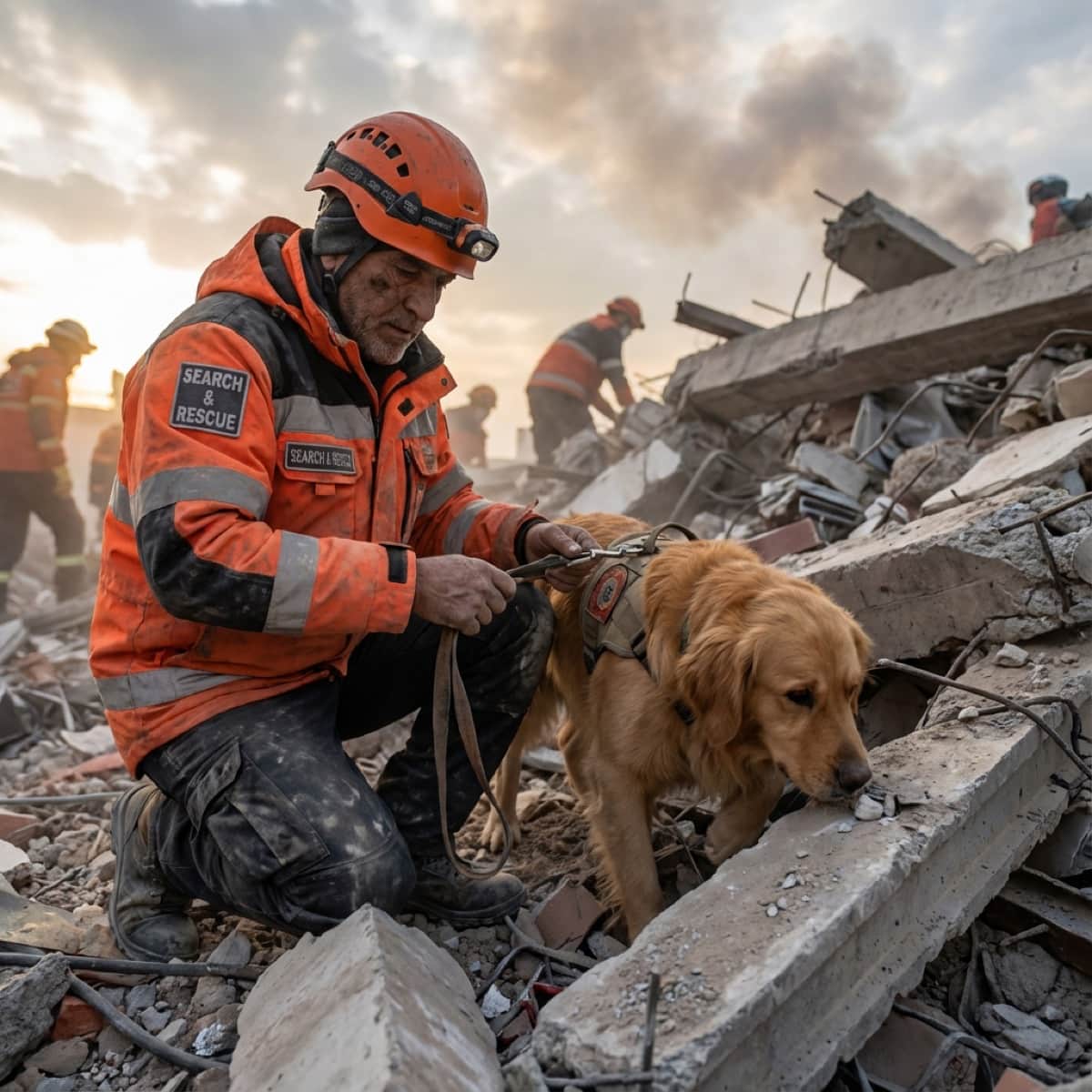
Nearby rescue teams can spot the help signal and start talking to the person.
Nearby rescue teams can spot the help signal and start talking to the person.
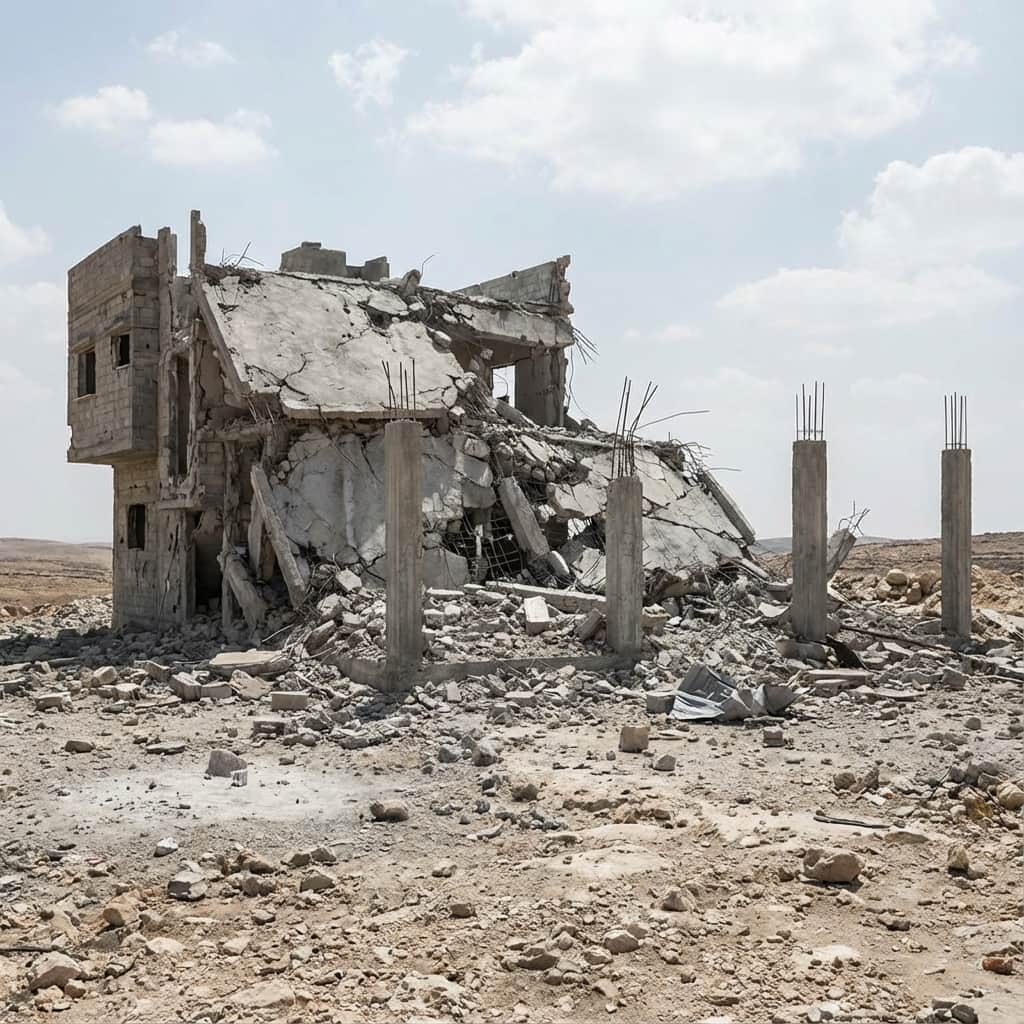
When towers and power go down, nearby teams can still stay in touch.
When towers and power go down, nearby teams can still stay in touch.

For groups in the wild or off the grid.
For groups in the wild or off the grid.
Even without internet or signal, you can message trusted people nearby and send a help signal to rescue teams.
Rescue Unit
First Responder
You
Sending SignalSaved Contact
Direct Bluetooth links help family and rescue teams reach you faster.
Talk to an existing nearby contact or add someone beside you by QR with zero internet.
Send a help signal so nearby teams can notice you and reply.
Explore the store listings, source code and technical scope.
The download page points to the public release and QR links people can actually install.
Download pageSee how Bluetooth communication, encryption and connection limits work.
Technical architectureReview the mobile client and protocol decisions on GitHub.
GitHub repositoryFor institutional use, the technical architecture calls out what is available, under review, or still pending.
Read the scopeClear answers about setup, offline use, safety, and privacy.
Yes. You can create the local profile and add a nearby person by QR without internet, an account, phone verification, or a SIM. Keep Bluetooth on, grant the requested nearby-device permissions, stay close together, and grant camera access on the scanning phone.
Prepare to stay connected during a disaster. Get the app for yourself or contact us about using it with your organization.